
Navigating the Complexity of Biodiversity Conservation
It is hard to ignore elephants and lions. They evoke powerful emotions such as fear, awe, and respect. Regal and iconic, these species form the backbone of the tourism economy in southern Kenya. As a result, they have become the public face of conservation, attracting substantial public interest and directing a disproportionate share of conservation funding towards the organizations that work to protect them.
But should they attract so much funding and attention?
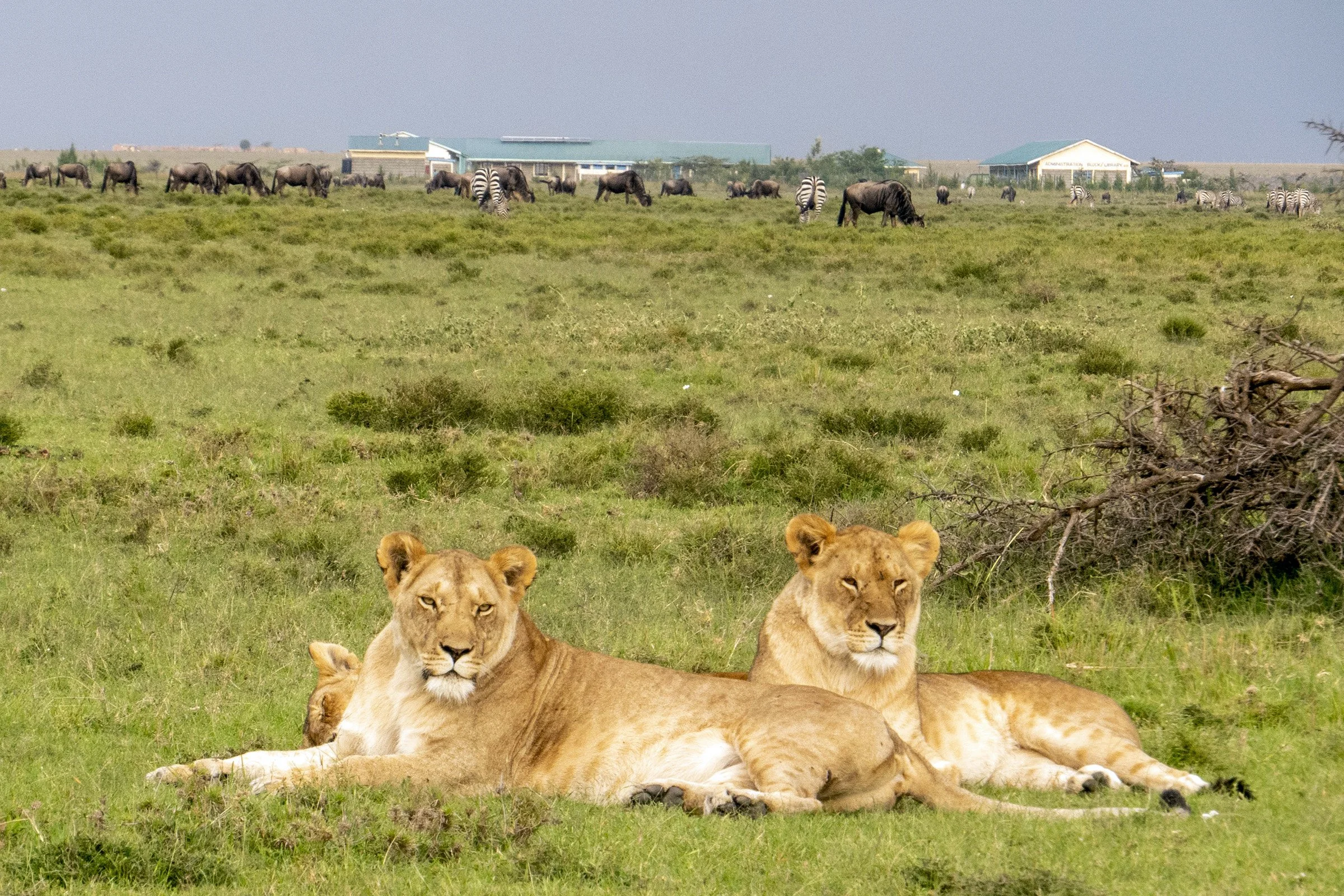
A small pride of lions rests outside a primary school in the Greater Mara region. Scenes like this are a reminder of the remarkable coexistence between people and wildlife that defines much of southern Kenya. Photo courtesy of Billy Kaitet from the Mara Predator Conservation Programme at Kenya Wildlife Trust, an organization BAND is proud to support.
It is a difficult question, and an important one for BAND. We have chosen the rangelands and forests of southern Kenya as a priority landscape for our long-term investment. Both elephants and lions occur throughout this region, and while they remain important conservation priorities, our goal is to conserve the region's wider biodiversity while maintaining the connectivity and natural processes that make this region so ecologically valuable. Having supported conservation in southern Kenya for more than two decades, much of it centered on these iconic species, we often reflect on both the strengths and limitations of a charismatic megafauna approach.
There are clear benefits to investing in elephants and lions. Both species genuinely need support. Lion populations, in particular, have disappeared from large areas of southern Kenya. Elephant populations are currently stable or increasing, but it is uncertain how long this trend will continue and whether it is in part or entirely driven by disproportionate funding. These species, like other charismatic megafauna, are often described as umbrella species, meaning that by protecting them, we safeguard the broader landscape. In many ways, this holds true. Large areas of southern Kenya remain intact and connected because of conservation efforts focused on elephants and lions.
Importantly, many of the organizations BAND supports that appear to focus on elephants and lions are not single-species projects in practice. Instead, they adopt a broader ecosystem approach, placing strong emphasis on habitat protection and community engagement. They recognize the limitations of single-species conservation but also understand that elephants and lions are powerful ambassadors that can drive fundraising and deliver much wider conservation outcomes.
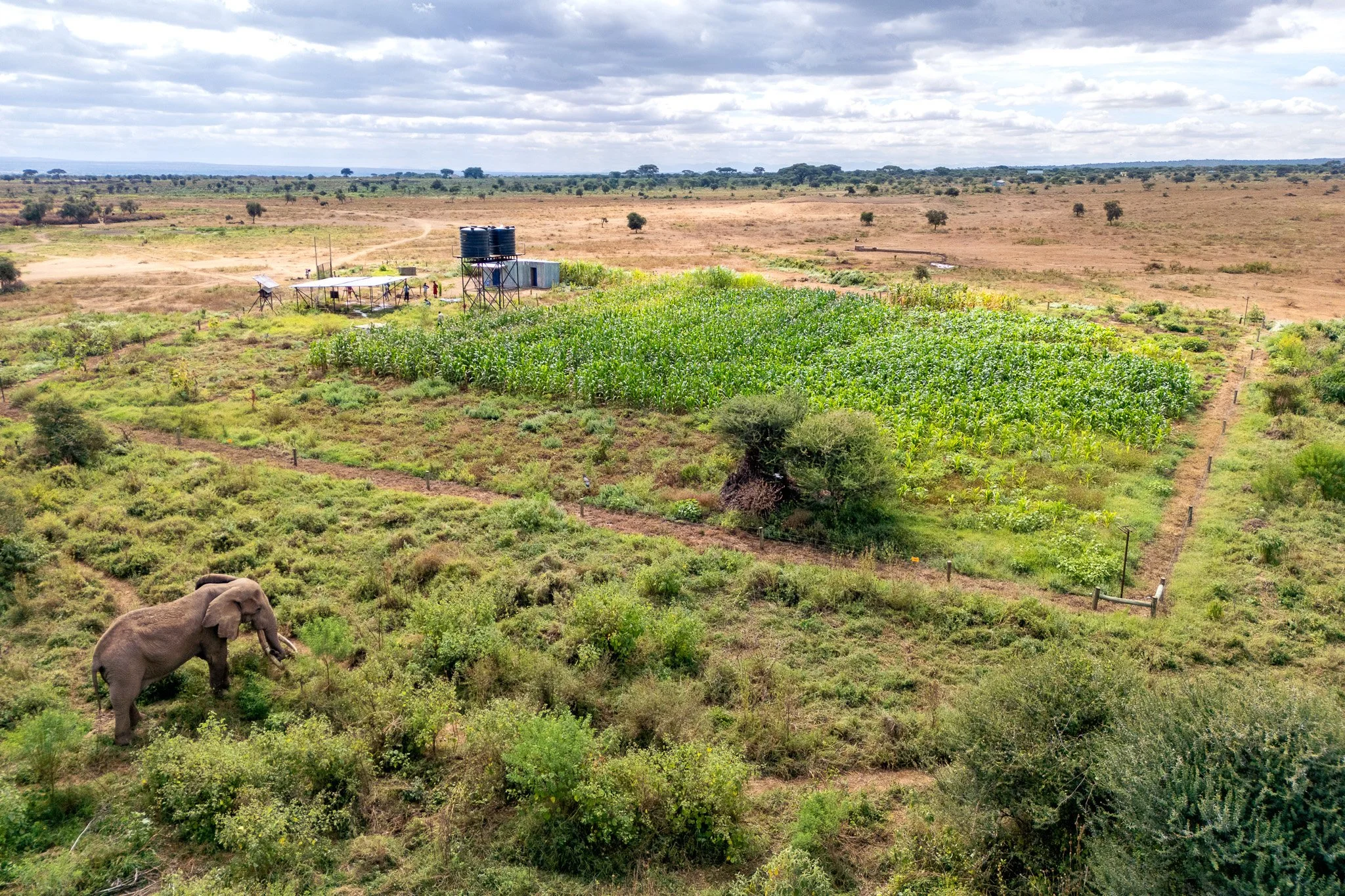
An elephant browses along the edge of a farm in the Greater Amboseli region. Crop-raiding elephants can cause substantial losses for communities living alongside protected areas, making human–elephant coexistence one of the region's greatest conservation challenges. Photo courtesy of Joshua Clay of Big Life. BAND is proud to support both Big Life and Amboseli Trust for Elephants in their efforts to promote coexistence between people and wildlife.
However, elephants and lions are not silver bullets. While the umbrella species concept is compelling, it can oversimplify the complexity of biodiversity conservation. Not all species or habitats benefit equally, and some inevitably fall through the cracks. In some situations, an overemphasis on charismatic megafauna can even be detrimental to broader biodiversity conservation.
This paradox is especially pronounced in areas where conservation depends on people continuing to coexist with large, potentially dangerous wildlife. Few species test that tolerance more than elephants and lions. The risks are real and immediate. Imagine children walking to school while avoiding elephants, or families coping with the loss of a loved one to a lion. Coexistence comes at a high cost. It raises an important question: how would we respond if these were our own communities? Even in places such as the eastern United States, coexisting with species like white-tailed deer or black bears presents ongoing challenges.
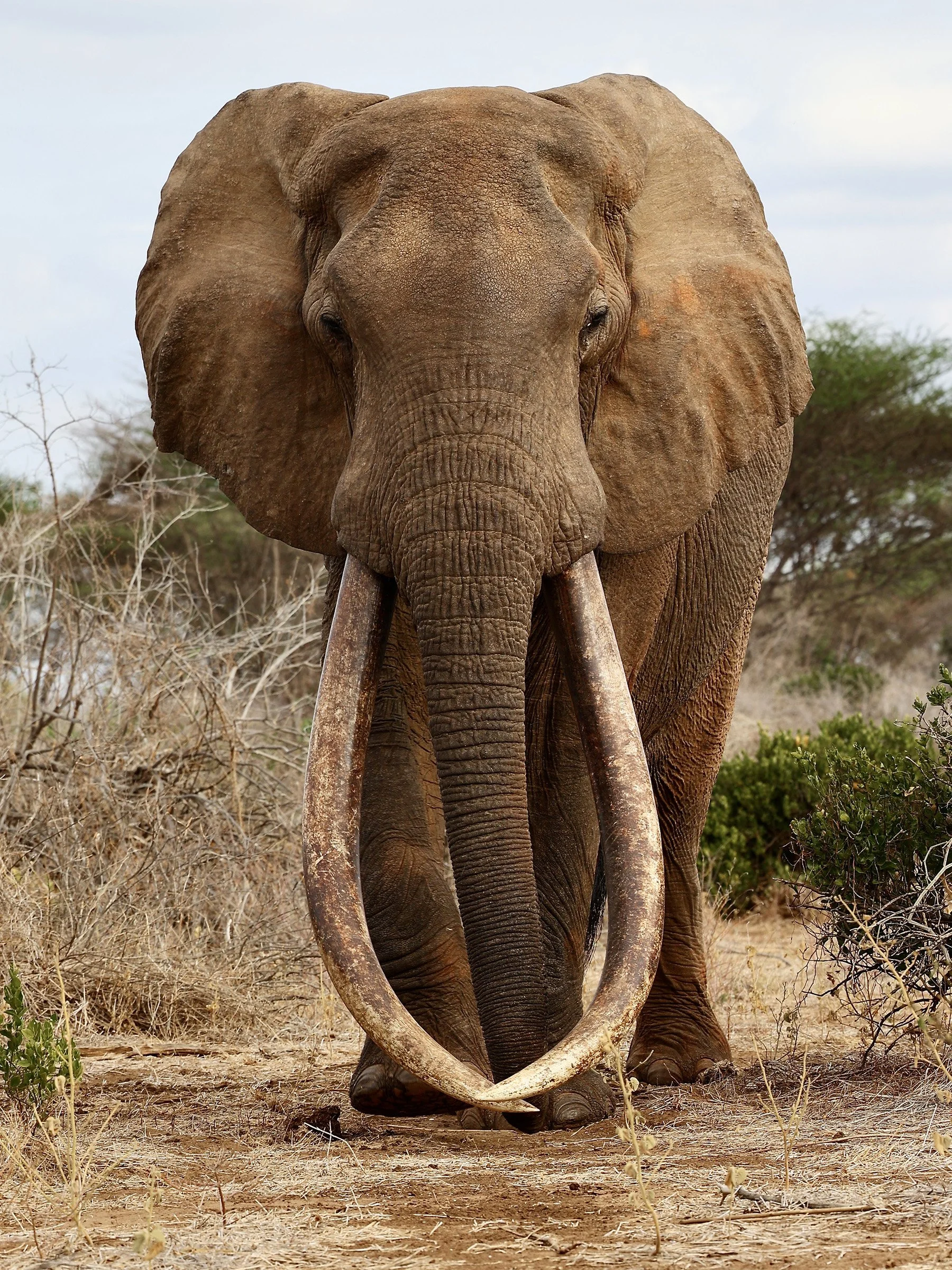
A super tusker in the Greater Tsavo region. Few sights are more iconic in southern Kenya than an elephant whose tusks reach the ground. Photo courtesy of Tsavo Trust, an organization BAND is proud to support.
When conservation narratives centre too heavily on dangerous charismatic megafauna, they can unintentionally imply that communities are failing if coexistence is not achieved. In reality, this overlooks the complexity of local circumstances and the many forms that successful conservation can take. In some cases, an excessive emphasis on coexistence with dangerous wildlife may even undermine conservation by fostering resentment and reducing broader public support. Would we dismiss conservation in the eastern United States as a failure simply because wolves and pumas have not been widely reintroduced?
Returning to the original question, BAND believes that charismatic megafauna will continue to play an essential role in conservation across southern Kenya and the other landscapes where we work. These species and the organizations that support them should continue to receive attention and support, particularly when that support is focused on fostering coexistence and ecosystem connectivity. At the same time, conservation must also extend beyond the protection of iconic species alone. Greater investment is needed in overlooked biodiversity. These investments build more inclusive, resilient, and ultimately more effective conservation programs.
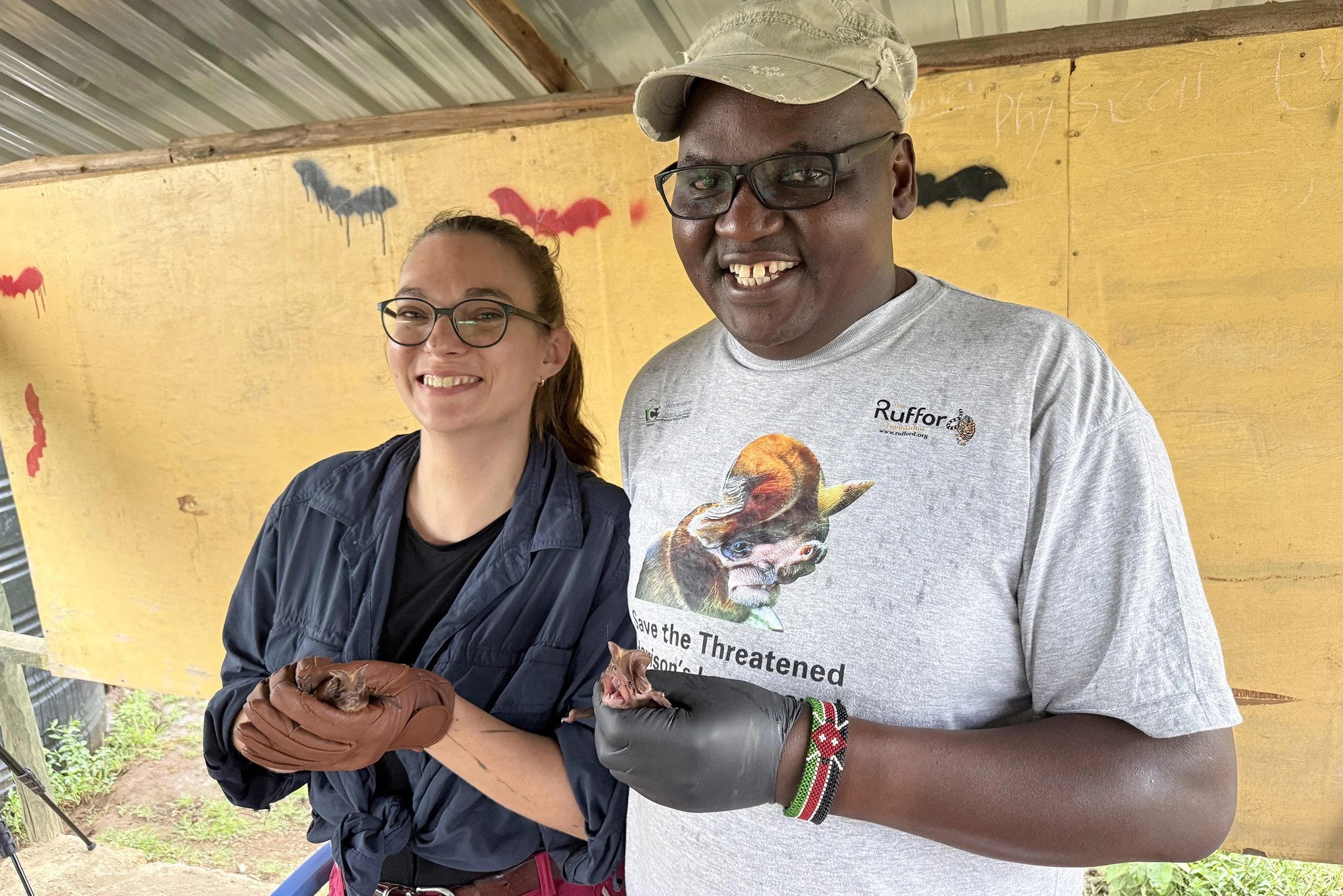
Dr. Paul Webala of Maasai Mara University and Dr. Isabella Mandl of Bat Conservation International tag the globally Vulnerable Harrison's Large-eared Giant Mastiff Bat (Otomops harrisoni) on Mt. Suswa. Bats are a powerful example of overlooked biodiversity, playing vital ecological roles despite receiving comparatively little conservation attention. BAND is proud to support this team and their efforts to conserve both this remarkable species and the Mt. Suswa region.
Recognizing the need to broaden biodiversity conservation investment, BAND has established a Small Grants Fund to provide flexible, catalytic support for overlooked biodiversity across southern Kenya. We believe conservation priorities are shaped through a dialogue between practitioners and donors. Just as it is the responsibility of conservation practitioners to communicate where the greatest conservation needs lie, it is equally the responsibility of donors to clearly express the kinds of projects they are willing to support. Researchers, conservationists, and organizations naturally invest their time and energy where funding opportunities exist. If we want to see more work on overlooked species, habitats, and conservation challenges, we must make it clear that we are prepared to fund it. Our Biodiversity Conservation Small Grants Fund is one way of putting that philosophy into practice.
Over the coming months and years, we look forward to sharing the stories of the remarkable species, habitats, people, and projects supported through this fund, highlighting the extraordinary breadth of conservation efforts that are helping to shape the future of southern Kenya.
Stratton Hatfield