
Epilepsy Care: SUDEP Prevention
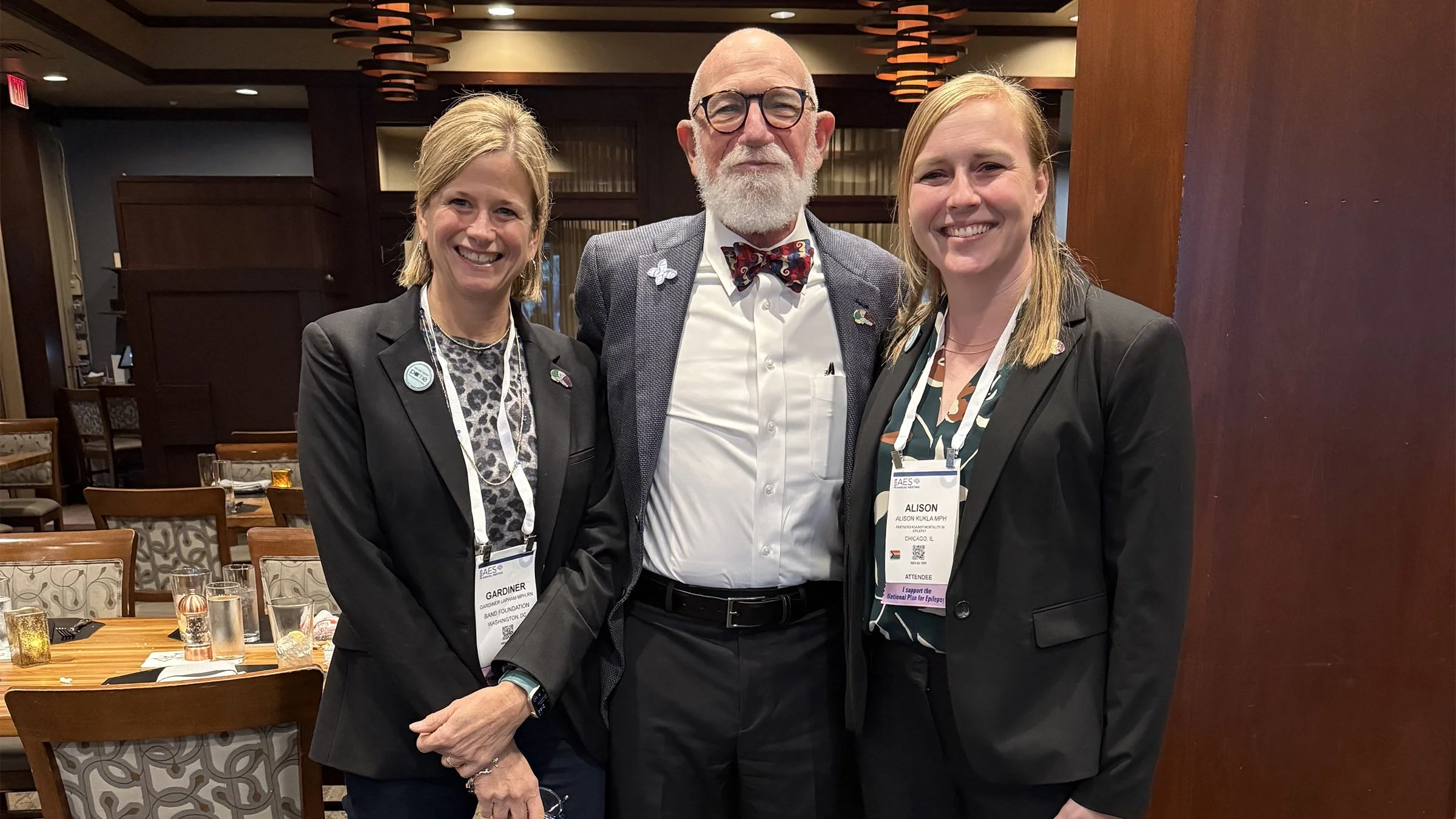
BAND actively supports efforts to understand and prevent Sudden Unexpected Death in Epilepsy (SUDEP). By partnering with impacted families, researchers and clinicians we raise awareness of the increased risk of sudden death from epilepsy and drive efforts that improve care and unravel the mysteries of this devastating phenomenon.
Grants in Focus
PAME
Partners Against Mortality in Epilepsy (PAME) is a network of diverse organizations and individuals who seek to share information, spark innovation, and drive progress in the fight against epilepsy-related mortality. PAME began in 2012 as a bi-annual meeting focused on knowledge sharing and awareness among people affected and/or bereaved by epilepsy, healthcare providers, researchers, and death investigators. As a result of coordinating five successful meetings PAME has grown a strong and diverse community that is eager to see this collaborative expand its influence. This project will allow PAME to deepen its impact through educational offerings and various other efforts that promote coordination to drive research and prevention.
Epilepsies Action Network
EAN is advancing a coordinated national effort to raise awareness of epilepsy among policymakers and elevate it as a public health priority. By bringing together a broad coalition of patient advocates, clinicians, researchers, and partner organizations, the initiative is fostering alignment and amplifying the collective voice of the epilepsy community. Through strategic engagement, education, and outreach, the grantee is helping decision-makers better understand the scale and impact of epilepsy, while building momentum toward a comprehensive national plan to improve research, care, and outcomes for the millions of people affected by the condition.

Tel Aviv University, Israel
Researchers at Tel Aviv University and Harvard are working to address a critical gap in epilepsy care by improving how clinicians communicate about Sudden Unexpected Death in Epilepsy (SUDEP), a leading yet under-discussed cause of mortality. By leveraging generative AI, the project is developing a scalable, interactive training simulator that helps clinicians practice delivering difficult conversations using evidence-based communication protocols. The tool provides real-time feedback, builds confidence, and strengthens both knowledge and counseling skills—enabling more frequent, effective, and compassionate discussions about SUDEP. Ultimately, this approach empowers clinicians, patients, and caregivers alike, promoting safer care practices and improving outcomes for people living with epilepsy.
CURE Epilepsy
CURE Epilepsy seeks to lead the SUDEP research community in establishing common language and terminology for use in the collection and reporting of SUDEP data. The current lack of data standardization often makes studies difficult to interpret and compare, and decreases the overall collective impact of preclinical SUDEP studies. Standardizing data collection elements will allow data to be compared, evaluated, or aggregated so that meta-analysis can be conducted on larger data sets. Ultimately, the goalis to accelerate translation of preclinical SUDEP research to impact the lives of those at risk for SUDEP.
Resources
Research and toolkits supported by the BAND Foundation:
Duke University
A question prompt list for sudden unexpected death in epilepsy
Communication about sudden unexpected death in epilepsy: Understanding the caregiver perspective
CNF
Preventing Epilepsy Deaths Toolkit
CURE Epilepsy
Preclinical SUDEP Common Data Elements