Nature Conservation: Strategic Priorities
Conserve High-Value Natural Landscapes
What BAND Funds
BAND invests in targeted geographies where we have developed deep expertise and trusted relationships, where we can achieve meaningful impact at landscape scale and where we can showcase solutions with potential to gain traction elsewhere.
Community Rangelands and Forests of Southern Kenya & Northern Tanzania
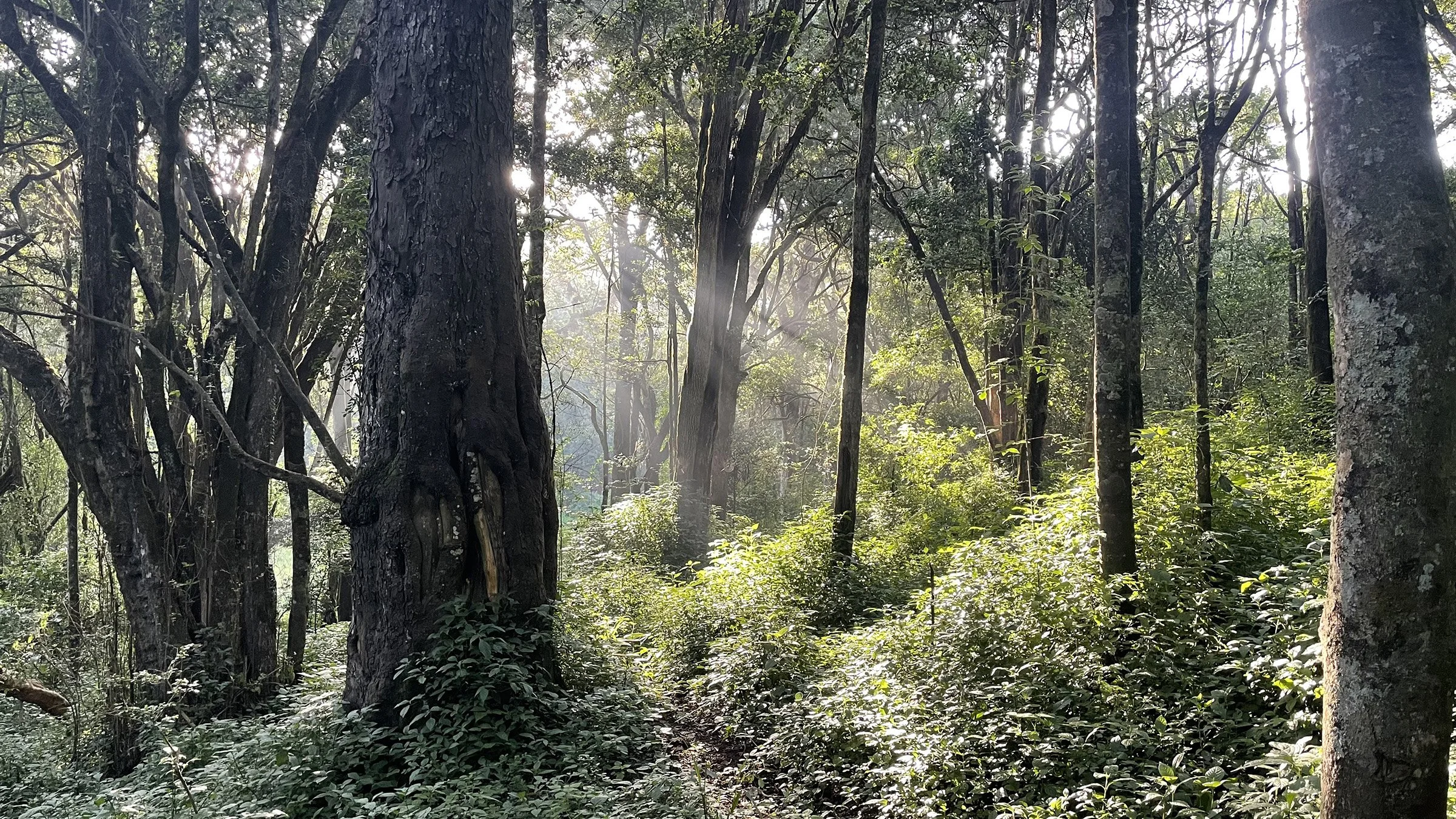
The rangelands and forests of southern Kenya and northern Tanzania host globally significant biodiversity and one of the greatest large mammal concentrations on earth. These systems are entering a period of extreme flux with land subdivision, infrastructure development and human/wildlife conflict all posing significant challenges. The most urgent conservation needs exist on community and private lands where opportunities exist to partner with local organizations to support land governance and management models that align conservation, cultural and economic objectives.
Featured Grantee: The Nyekweri Forest sits at the western extent of the Greater Mara Ecosystem. It harbors a wide range of plants and animals found nowhere else in southern Kenya including the remarkable giant ground pangolin. Nyekweri’s rich soil and favorable climate have resulted in largescale agricultural conversion over the last two decades, leaving today only a fraction of intact habitat. The Pangolin Project, with support from BAND, is working with willing landowners to lease land for conservation and in so doing providing the only real hope for saving what’s left of the Nyekweri ecosystem.
Grasslands of the Southeastern United States
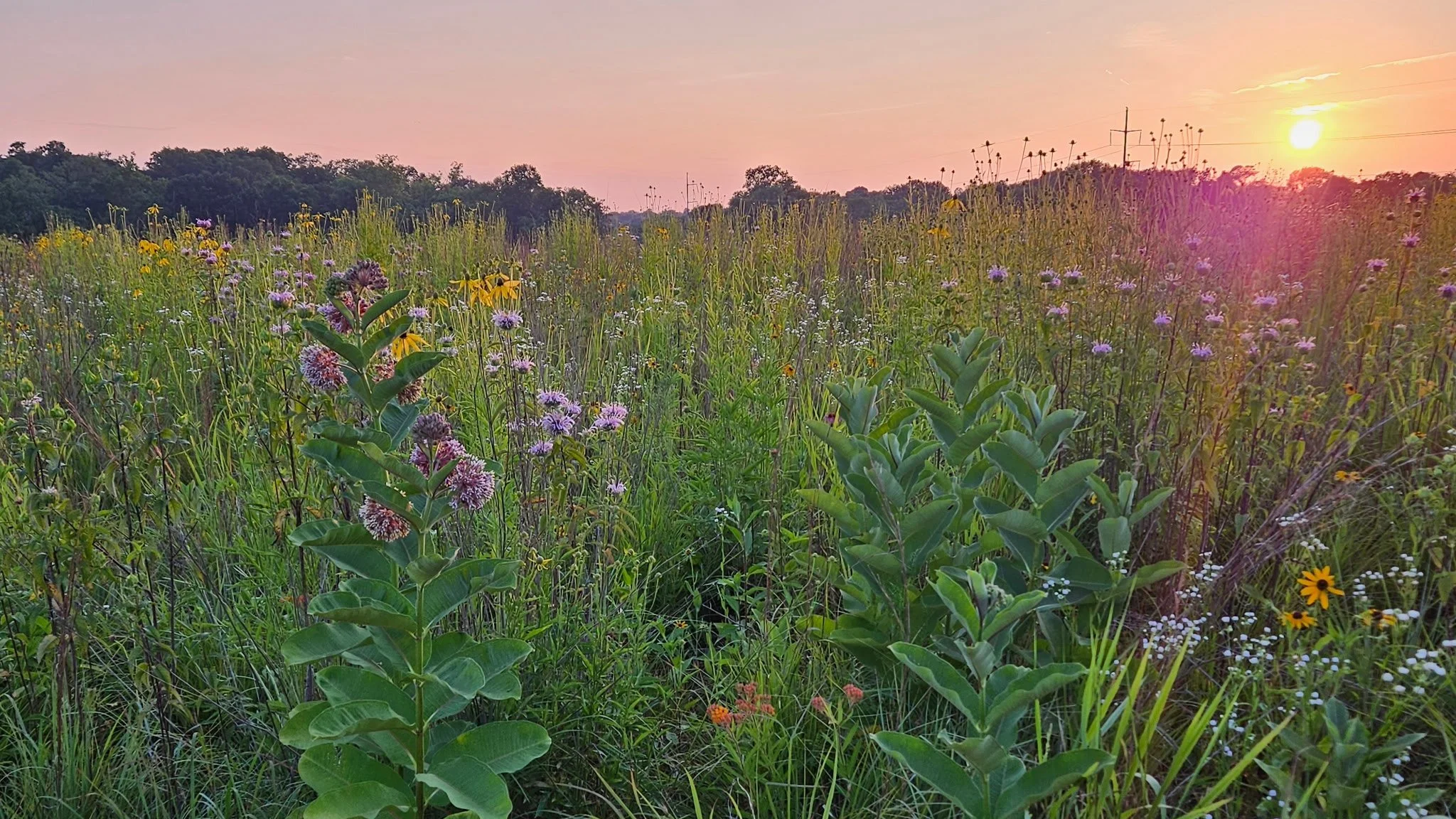
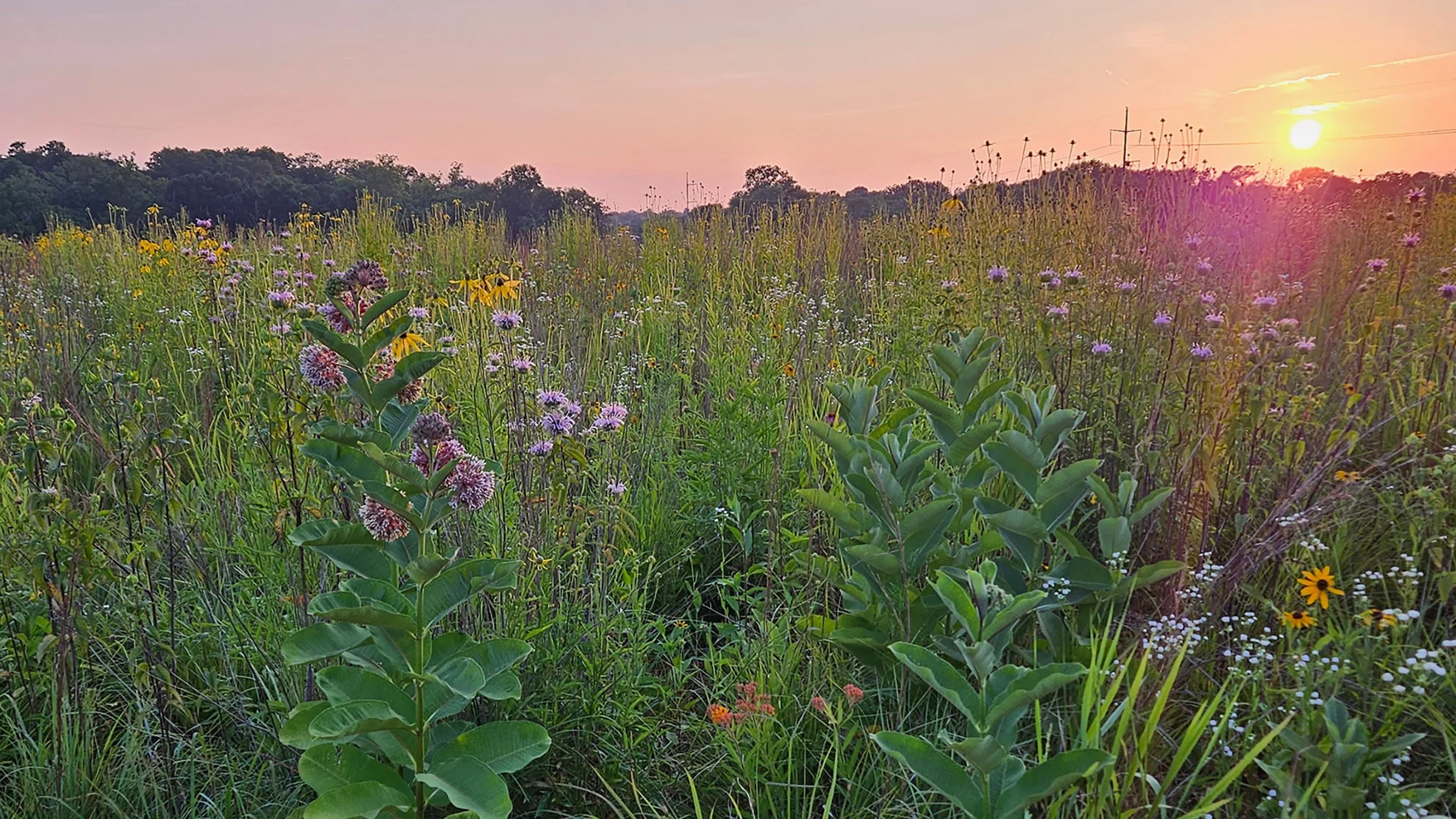
The grasslands of the southeastern United States are one of North America’s most biodiverse yet poorly understood and degraded ecosystems. Today they cover only a tiny fraction of their historic extent yet still harbor a vast number of endemic, highly threatened species. Protecting the remnants that remain and restoring larger areas through land conservation and improved habitat management present an unmatched opportunity to conserve U.S. biodiversity and reimagine the southeast American landscape.
Featured Grantee: The grassland mosaic of the American Southeast is today all but erased from the landscape and from our collective memory. The Southeastern Grasslands Institute is building a movement to reverse that. Launched with a BAND planning grant in 2017, SGI now works across the entire region — with continuing BAND core support — to rebuild the Southeast grassland biome.
Wildlife Migration Corridors of the Greater Yellowstone
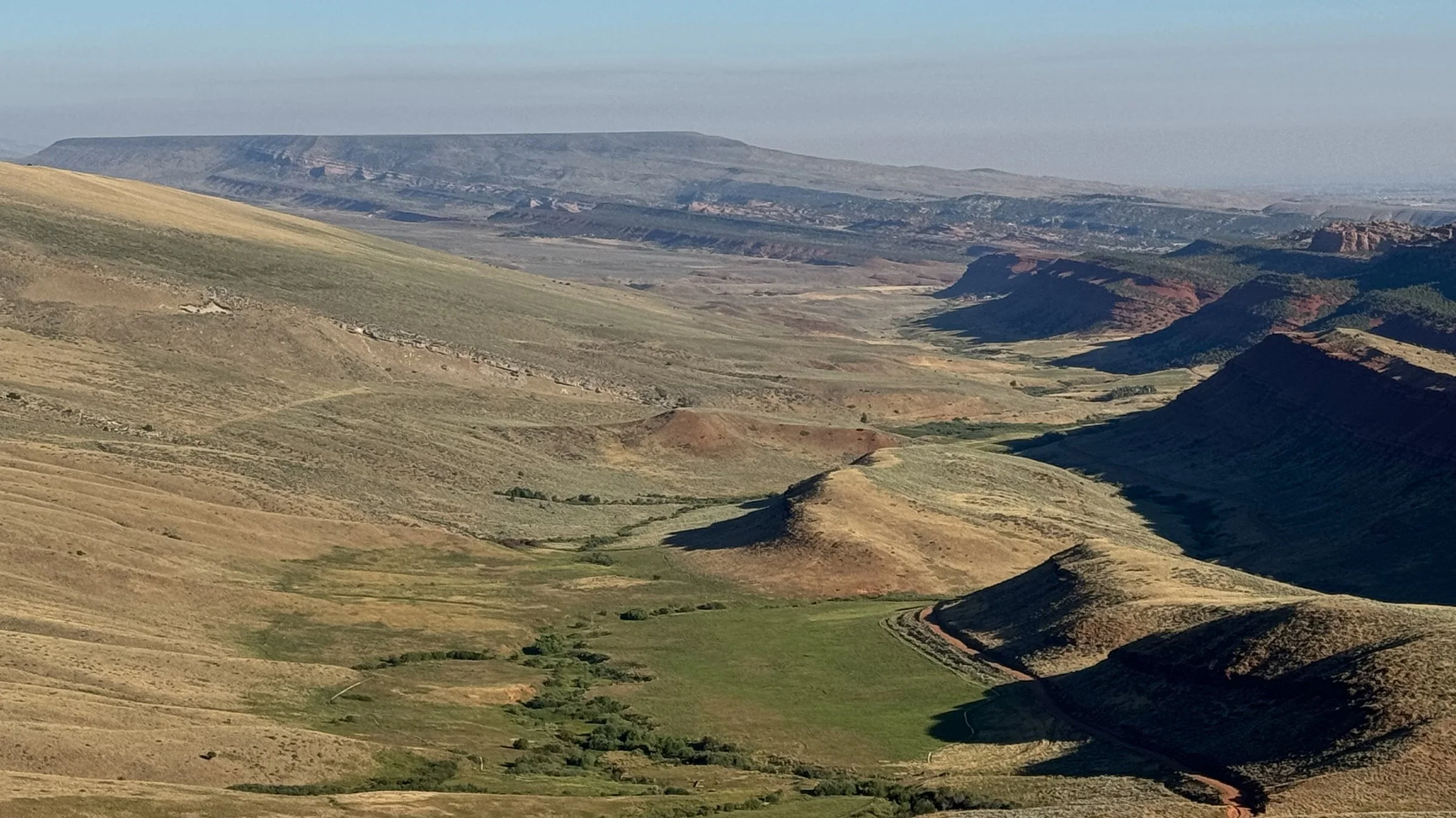
Greater Yellowstone hosts the largest, most intact aggregation of large mammals in North America, most of which migrate annually across federal, state, tribal and private lands in search of food. In the face of rapidly intensifying development pressure, protecting and restoring these migration routes is the key to sustaining wildlife populations as well as the traditional lifestyles of local and indigenous communities. Critical and time-limited opportunities exist now for private land conservation, fence removal and modification, invasive species management and species restoration.
Featured Grantee: The Wind River Indian Reservation, home to the Eastern Shoshone and Northern Arapahoe tribes, comprises 2.2 million acres on the eastern flank of the Greater Yellowstone Ecosystem. Among the many injustices perpetrated on its Native inhabitants, perhaps none was as devastating as the wholesale elimination of the buffalo. Restoring this iconic species to the landscape would be a profound step in rebuilding food sovereignty, cultural identity and pride. That’s the vision of the Wind River Tribal Buffalo Initiative (WRTBI), a tribally led organization bringing wild buffalo back to the reservation and perhaps one day helping to reconnect ancient migration routes to Yellowstone and Grand Teton National Parks. BAND provides WRTBI with annual core support.