
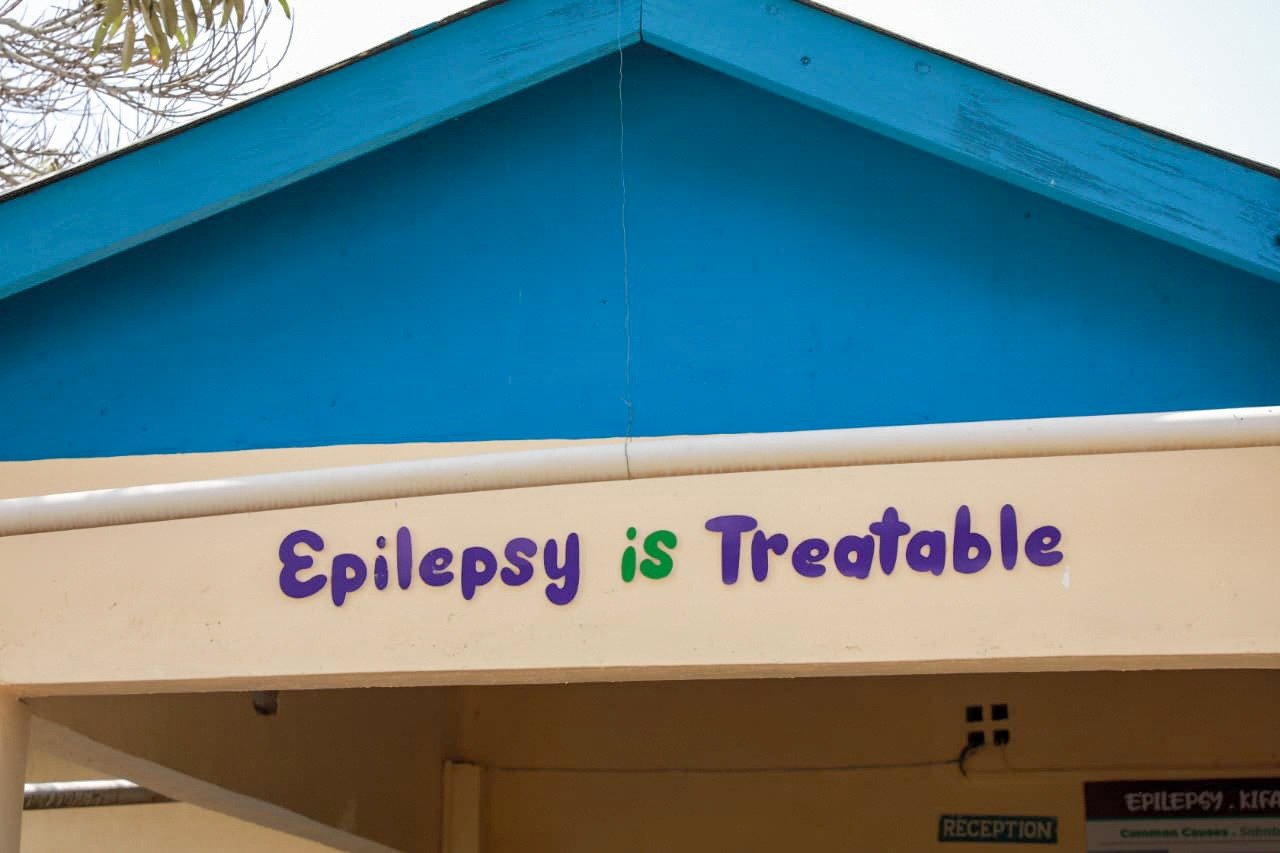
Epilepsy is one of the most treatable serious neurological conditions in global health, yet it remains one of the most neglected. More than 65 million people live with epilepsy worldwide, the vast majority in low- and middle-income countries. Across much of Africa, stigma, misinformation, and limited access to healthcare leave millions without a diagnosis or treatment.
When BAND Foundation began supporting epilepsy initiatives in 2018, making sense of the landscape required countless conversations, extensive reading, and a good deal of trial and error. For a funder entering the field, there was no clear starting point.
Over the years, through our partnerships with organizations working on the frontlines of epilepsy care, we have learned a great deal about both the challenges and the opportunities. Perhaps the most important lesson is that expanding access to epilepsy care does not necessarily require new scientific breakthroughs. It requires investing in the systems, people, and partnerships that can bring existing solutions to communities that have long been underserved.
That is why we created A Funder's Guide to Investing in Epilepsy Care in Africa.
It is the guide that we wish we had found when we first entered this field.
We designed it to be practical, accessible, and intentionally concise. Whether you are a funder already working in global health or someone encountering epilepsy for the first time, our hope is that it will help you understand the opportunities for investment and identify concrete ways to get involved.
The guide highlights five interconnected priorities where philanthropic funding can make a meaningful difference:
Raise awareness and reduce stigma. Help communities understand that epilepsy is a treatable medical condition, challenge harmful misconceptions, and encourage people to seek care.
Strengthen the frontline health workforce. Equip community health workers, nurses, and other healthcare providers with the knowledge and skills to recognize, diagnose, and manage epilepsy.
Integrate epilepsy care into existing health systems. Make epilepsy diagnosis and treatment part of routine primary healthcare, bringing services closer to the communities that need them.
Improve access to essential medicines. Strengthen procurement, supply chains, and affordability so that people who begin treatment can continue receiving it without interruption.
Invest in evidence and learning. Support research, implementation, and evaluation that demonstrate what works, inform policy, and help governments expand successful approaches.
You can download the full report here. If you are a funder or donor advisor, consider joining our Funders Learning Network for Global Epilepsy here.
For any questions about the report, please email walid@bandfdn.org